CDC blocks COVID vaccine study publication amid methodology dispute
05/12/2026 / By Willow Tohi

- Acting CDC Director Jay Bhattacharya delayed publication of a March 2026 study showing COVID-19 vaccines reduced hospitalization risk by 55% for healthy adults.
- Bhattacharya cited concerns about the test-negative design methodology, which has been used for decades in vaccine effectiveness research.
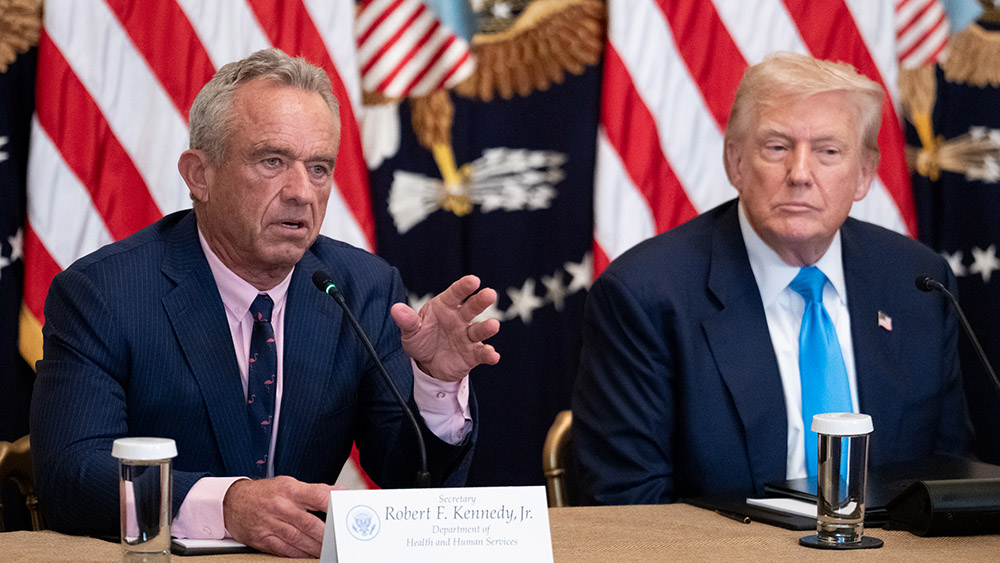
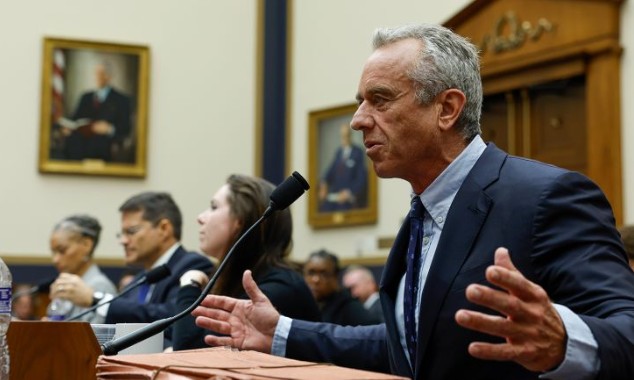
- Lawmakers accused Health Secretary Robert F. Kennedy Jr. of political interference in suppressing vaccine benefit data.
- CDC scientists defended the methodology, noting it was used in a flu vaccine study published just one week earlier.
- The dispute highlights growing tensions between Kennedy’s vaccine-skeptical administration and career CDC researchers.
Why a Widely Used Vaccine Study Method Now Faces Scrutiny
WASHINGTON — The acting director of the Centers for Disease Control and Prevention blocked publication of a study showing COVID-19 vaccines reduced severe illness by about half last winter, citing methodology concerns that have divided public health experts and sparked accusations of political interference.
Dr. Jay Bhattacharya, appointed to lead the CDC in February 2025, delayed the study scheduled for the March 19, 2026 issue of the agency’s flagship Morbidity and Mortality Weekly Report. The report had cleared scientific review but was halted over objections to its use of test-negative design, a method employed for decades to evaluate flu and COVID vaccine effectiveness.
The study found that healthy adults who received the 2025-2026 COVID vaccine reduced emergency department visits by 50% and hospitalizations by 55% compared to unvaccinated individuals, according to a summary obtained by news organizations.
Methodology Debate: Science or Politics?
Bhattacharya, in a Washington Post op-ed, characterized his decision as a matter of scientific rigor rather than political interference.
“Scientific disagreement is not interference,” Bhattacharya wrote. “When methodological limitations could meaningfully affect findings — especially on an issue as consequential as vaccine effectiveness — it is not only appropriate but necessary to pause, question and scrutinize.”
The test-negative design compares vaccination rates among people who test positive for a disease versus those who test negative after seeking medical care. Bhattacharya argued the method “throws away all data about people, vaccinated or not, who are never hospitalized” and relies on “unverifiable assumptions” about behavioral differences between vaccinated and unvaccinated groups.
Dr. Retsef Levi of MIT’s Sloan School of Management, a member of the CDC’s Advisory Committee on Immunization Practices, agreed with Bhattacharya’s concerns, noting he had raised them during a September 2025 ACIP meeting.
Political Fallout and Accusations of ‘Muzzling Scientists’
The delayed publication prompted swift backlash from Democratic lawmakers and public health experts. Reps. Frank Pallone Jr. of New Jersey, Diane DeGette of Colorado and Yvette Clarke of New York sent a letter to Health Secretary Kennedy suggesting the administration had taken actions that “deliberately misrepresent the risk of vaccinations.”
The Washington Post reported the move “raised concerns among current and former officials that information about the vaccine’s benefits are being downplayed” because they conflict with Kennedy’s long-standing vaccine skepticism. Kennedy, who founded a prominent anti-vaccine group before becoming health secretary, once called COVID shots the “deadliest vaccine ever made.”
Dr. Fiona Havers, a former CDC medical epidemiologist who resigned in June 2025 in protest of Kennedy’s appointees, called the decision “a new level of political interference into CDC’s scientific process.”
An HHS spokesperson said Bhattacharya was not in a position to review an earlier flu vaccine study published March 12 that used the same methodology, but would have raised identical concerns.
Historical Context: A Century of Vaccine Policy Under Fire
The dispute occurs against the backdrop of Kennedy’s broader overhaul of federal vaccine policy. In 2025, Kennedy bypassed the CDC’s standard advisory process by directing the agency to no longer recommend COVID vaccines for healthy pregnant women and children. A federal judge later blocked most of Kennedy’s new appointees to the vaccine advisory committee, ruling they were unqualified.
Public health officials noted that the COVID vaccines were first evaluated through randomized controlled trials leading to FDA approval. Conducting such trials annually for licensed vaccines would be both costly and ethically problematic, Havers argued, because it would require withholding an approved vaccine from participants.
“When methodological limitations could meaningfully affect findings — especially on an issue as consequential as vaccine effectiveness — it is not only appropriate but necessary to pause, question and scrutinize.”
— Dr. Jay Bhattacharya, Acting CDC Director
The CDC’s vaccine safety office has seen significant turnover, with three senior leaders resigning in summer 2025 after clashes with Kennedy over policy direction.
What Happens Next
The study’s authors may submit their findings to independent medical journals for publication. HHS spokesperson Andrew Nixon said the CDC “remains committed to timely publication and to transparency about the data and methods that underpin its conclusions.”
Dr. Brian Hooker, chief scientific officer of Children’s Health Defense, the organization Kennedy founded, characterized the dispute as a correction of long-standing bias.
“We have a historically one-sided CDC that produces ‘Johnny One-Note’ studies lauding the benefits of vaccines,” Hooker said.
Daniel O’Connor of TrialSite News argued for greater transparency regardless of methodological disagreements.
“Science does not lose credibility because it is imperfect,” O’Connor said. “It loses credibility when institutions hide the imperfections from public view.”
The outcome of this dispute may set precedents for how the CDC evaluates and communicates vaccine effectiveness during Kennedy’s tenure, with implications for public trust and immunization policy nationwide.
Sources for this article include:
Submit a correction >>
Tagged Under:
big government, Big Pharma, CDC, Censored Science, FDA, health freedom, Resist, RFK Jr, rigged, science deception, vaccine wars, vaccines
This article may contain statements that reflect the opinion of the author
RECENT NEWS & ARTICLES